Hollywood vs. ByteDance: Chinese AI Challenges Copyright Law
Major Hollywood studios — Disney, Netflix, and Warner Bros — are preparing lawsuits against ByteDance (TikTok’s parent company) over its new artificial intelligence model, Seedance 2.0. The tool is capable of creating hyper-realistic videos featuring famous actors and animated characters, sparking a wave of outrage across the industry.
Art or Theft?
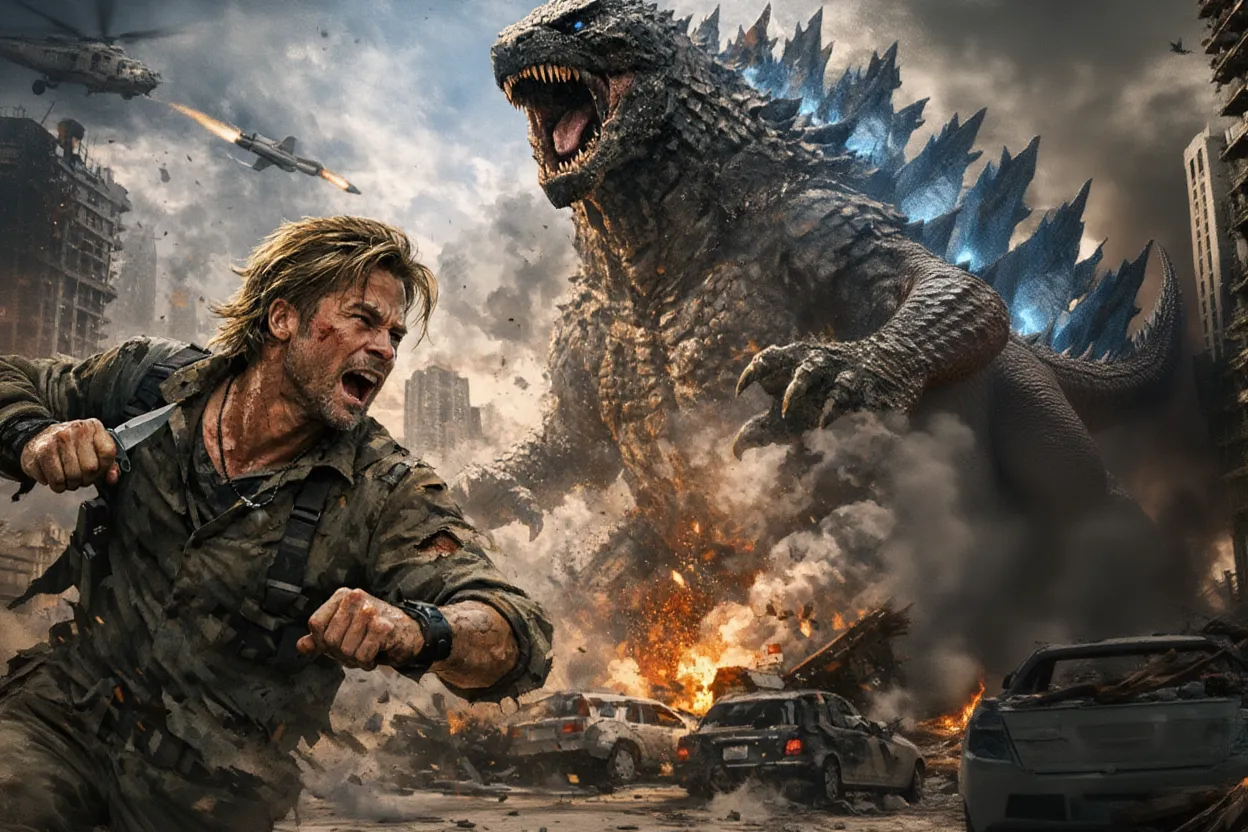
The scandal was ignited by a clip from Irish director Ruairi Robinson, in which AI “forced” Brad Pitt and Tom Cruise to take part in a staged fight. Neither actor had any involvement in the project. Following the publication, ByteDance pledged to strengthen intellectual property protection and suspended the international release of Seedance, although the model is already gaining traction within China.
Why This Matters
Seedance 2.0 has become a symbol of a new era in multimodal AI. Chinese companies, despite sanctions and restrictions, have surged ahead in the video generation race. Six of the world’s top eleven models (including those from MiniMax, Alibaba, and Kuaishou) are Chinese. ByteDance’s key advantage is access to the vast video archive of TikTok and Douyin, which serves as an ideal training ground for neural networks.
Double Standards
Unlike their American competitors (such as Google with Nano Banana or OpenAI, which signed a licensing deal with Disney), ByteDance has so far shown less concern for copyright. Seedance users are actively creating alternative endings for “Titanic,” making Spider-Man fight the video game character Jinx, and generating clips where Kanye West sings in Chinese.
The Legal Battle
The situation highlights two main problems:
- Is training AI on copyrighted materials considered “fair use”?
- Does the resulting output violate copyright and personality rights?
These questions are already before the courts. For example, Disney and other studios have filed a lawsuit against the Chinese company MiniMax, seeking up to $150,000 per infringement. However, the process is complicated by international procedures (the Hague Convention): it took nearly six months to serve the complaint against MiniMax.
The Future of the Industry
There is a growing sense of anxiety in Hollywood. Experts predict that within 2-3 years, AI will be capable of making feature-length films. Producers are already facing criticism for using neural networks (as seen with the films “Civil War” and “The Brutalist”), while actors and writers are striking against the unregulated use of the technology.
China, in contrast, is looking to the future with optimism. Director Jia Zhangke recently released a short film featuring his own AI avatar, and Liu Cixin, author of the international sci-fi bestseller “The Three-Body Problem,” is experimenting with AI-generated visual effects. The country’s local AI-generated content market is projected to double this year, reaching $23 billion.