The Ghost of Lennon on the French Riviera: How Meta’s AI Video Divided Cannes
The 2026 Cannes Film Festival will go down in history not only for its red carpets and star-studded premieres but for a controversy that crossed the boundaries of art, ethics, and technology. At the center of the storm is Steven Soderbergh’s new documentary, “John Lennon: The Last Interview,” created with the support of artificial intelligence from Meta — the very same Meta that has become the festival’s new official sponsor.Three Hours of Magnetic Tape
At the heart of the film lies a unique historical document. On December 8, 1980, just hours before Mark Chapman shot the musician in the back at the doorstep of his New York home, John Lennon and Yoko Ono gave a three-hour interview. This recording has never been released in its entirety. Soderbergh, an Oscar-winning director with a reputation as an experimenter, took it upon himself to transform audio into a visual experience.
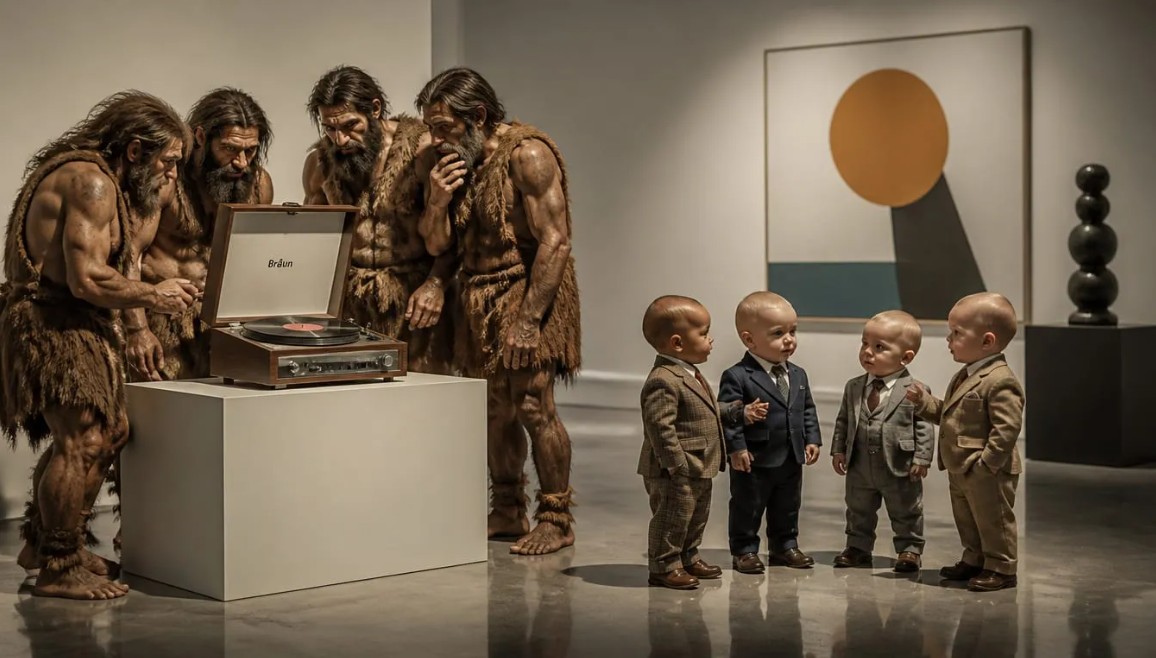
Nearly ninety percent of the film is meticulously assembled archival footage. Over a thousand fragments of real recordings, photographs, and television broadcasts. But the remaining ten percent made this project the most controversial film of the year.Cavemen, Infants, and AI
Soderbergh used generative artificial intelligence to create visuals for those moments of the interview where Lennon and Ono venture into abstract philosophical musings. Archival footage is powerless here: one cannot find a real recording that illustrates a metaphor about primal instincts or a joke about the oddities of fashion.
The director chose not to use AI to “resurrect” the murdered musician — a decision he himself calls obvious and ethically unacceptable. Instead, surreal, deliberately artificial images appear on screen. Cavemen illustrating Lennon’s reflections on male behavior. Infants dressed in 1960s suits when the conversation takes an ironic turn. The viewer, Soderbergh assures, will never mistake these frames for reality. This is not a deepfake but rather “living animation.”
“People immediately imagined the worst: he’s going to resurrect John Lennon. All I can say is: do you know me? Do I look like someone who would do that?” the director fires back at his critics.The Deal with the Platform
Behind the creative decision lies a pragmatic alliance. Creating such complex visual effects using traditional CGI methods would require astronomical sums and months of work. Soderbergh turned to Meta.
The corporation, which this year became an official partner of the Cannes Film Festival, provided its latest generative tools for video. The arrangement proved mutually beneficial: Meta gets a “stress test” of its technologies in the hands of an Oscar-winning director, while the project receives funding and capabilities that independent documentary filmmaking normally cannot access.The Festival vs. Its Sponsor?
The situation took on an almost vaudevillian tone when Cannes festival director Thierry Frémaux took the stage at the opening with a keynote address. He warned of the dangers of uncontrolled AI and proposed that, in the future, films made without the use of neural networks be labeled, akin to “organic” certifications. Frémaux emphasized that the festival supports artists, not algorithms.
The paradox: the chief voice in the fight for “pure” cinema is sponsored by the very company whose technologies are currently behind the most talked-about premiere of the program.The Lennon Family Says “Yes”
Soderbergh received unexpected support from the least expected quarter. Sean Lennon, the musician’s son, and other family members approved the project. Their argument was simple and elegant: John Lennon himself was a passionate enthusiast of new technologies. He loved experimenting with sound, tape, and effects. Upon seeing an AI tool capable of creating previously impossible images, Lennon, his relatives are convinced, would have wanted to “play” with it first.What Comes Next?
The premiere of “The Last Interview” is taking place right now on the French Riviera. Regardless of its artistic merits, the film has already accomplished a crucial task: it has forced the industry to debate not whether “AI will kill cinema,” but where exactly the boundary of permissibility lies. Soderbergh drew that boundary along a clear principle: imitating reality is forbidden; creating a deliberately artificial image is permitted.
Whether these ten percent will become a new standard for documentary filmmaking or remain a bold exception, only time will tell. But one thing can be stated with confidence now: Cannes 2026 will enter film history textbooks as “the festival where Lennon spoke and AI drew.”