Timbaland Launches Virtual Pop Star Powered by AI
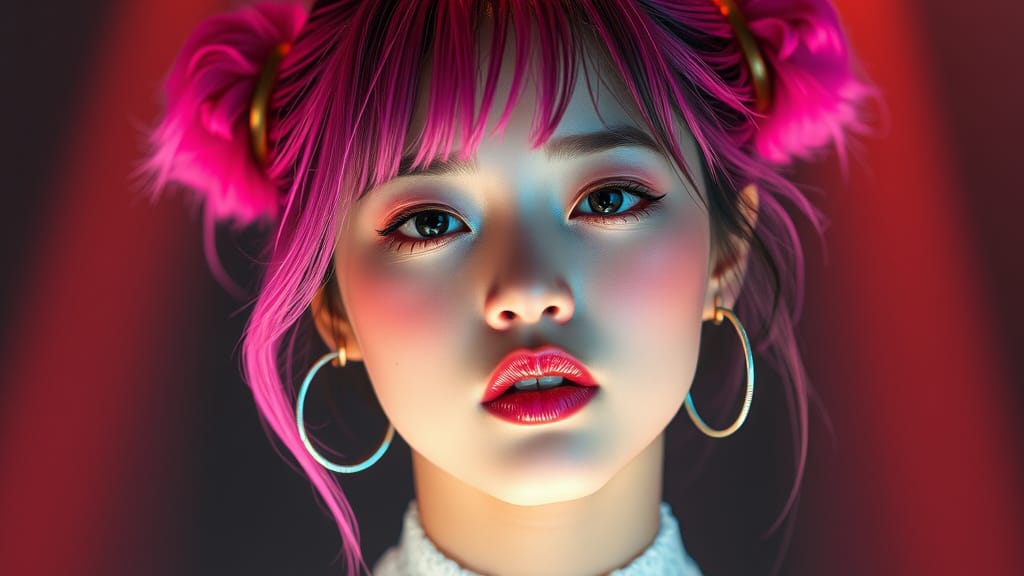
Legendary producer Timbaland, known for his work with Jay-Z, Justin Timberlake, and hits since the 90s, has entered the age of artificial intelligence. His new project is the virtual performer TaTa Taktumi, an Asian singer with pink hair, born from his imagination and “brought to life” with neural networks.
Together with partners from the AI entertainment company Stage Zero, Timbaland creates music for TaTa using tools like Suno, which generates tracks from text prompts or hummed melodies.
“I call it reimagining artist development,” the producer says.
TaTa’s first single, “Glitch x Pulse,” was released in October. A full album is in the works.
How it works: Timbaland uploads his demo sketches into the program and then verbally or by humming describes the desired sound—for example, requesting a powerful bass. The AI refines the idea, suggesting unexpected musical solutions. “It can take what I did and add to my melody something I wouldn’t have thought of myself,” he explains.
Human or Machine? Although the project is positioned as “A-pop” (AI-pop), it’s a hybrid. Roughly 80–85% of the work, by Timbaland’s estimate, is done by people: they write lyrics, create the track’s foundation, and develop the character’s image and backstory. The AI generates TaTa’s ethereal vocals and assists with visuals (using tools like Veo 3).
The AI in Music Debate. Timbaland’s push into this space has sparked mixed reactions. After the announcement of Stage Zero, many, including Jay-Z’s sound engineer Young Guru, criticized the approach, stating that “human expression” cannot be replaced by algorithms. The TaTa project emerges amid a wave of tracks featuring AI vocals, some of which (like the viral song “I Run”) have already faced issues for using the voices of real artists.
The Creators’ Vision. Stage Zero emphasizes that their goal is not to replace live artists but to create a new form of intellectual property where realistic characters and their stories become the narrative center. “Even if these characters aren’t real, they still refer to real human experiences, which is inherent to any art,” notes co-founder Zaid Portillo.