Harlequin’s Digital Hypocrisy
The world’s largest romance publisher, Harlequin, finds itself at the centre of a scandal many writers and readers are already calling an unprecedented act of corporate cynicism. In late March, the company, part of the HarperCollins giant, announced a multi-year partnership with AI startup Dashverse. The goal is ambitious and, at first glance, technological: to turn forty novels from the publisher’s back catalogue into animated micro-dramas approximately one minute long, designed for vertical viewing on smartphones. Yet behind the glossy façade of innovation, an unsightly underbelly was instantly revealed, laying bare a deep crisis of trust between authors and business.
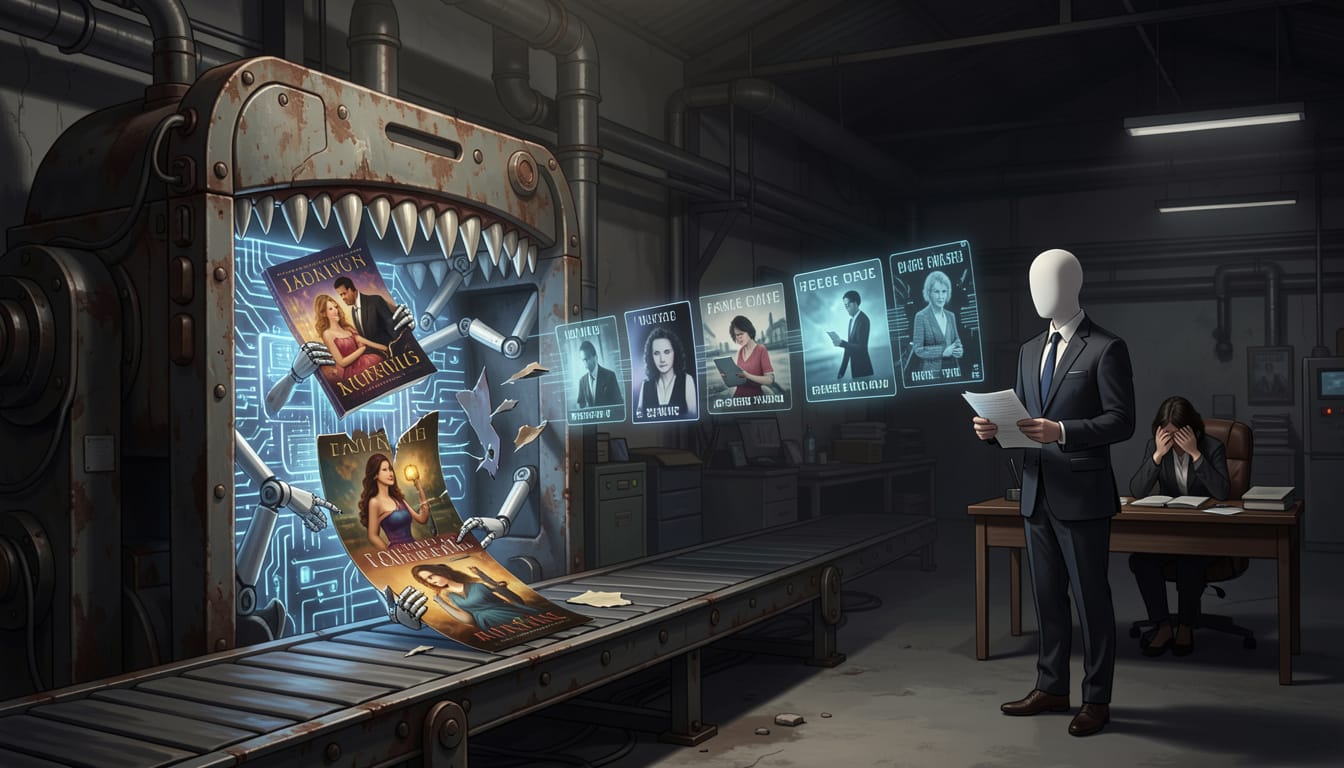
The creative community’s main grievance is simple and damning: writers were bluntly presented with a fait accompli. The authors whose works were selected for digital dissection, including well-known novelists such as Catherine Mann and J.C. Harroway, learned that their intellectual property would become raw material for neural network experiments from social media and dry press releases. There were no prior consultations, no negotiations about the scope of rights or creative control — only a terse promise to pay some royalties from future advertising revenue and subscriptions on the DashReels platform. The “creative” process itself looks like a radical assembly line: the AI studio FIORÉ, using text prompts and automated editing algorithms, turns a multi-page novel into a short clip with cookie-cutter animation and synthesised canned laughter in just three weeks.
The public’s true indignation, however, was sparked not so much by the existence of such a technological Frankenstein, but by the appalling hypocrisy demonstrated by the parent corporation, HarperCollins. The scandal erupted against the backdrop of two events that turned the situation into a grotesque farce. First, a month before the Dashverse deal, Harlequin quietly shut down its legendary historical romance line, explaining it away with the vague phrase “changing reader interests.” For the loyal readership, this was a blow. Second, and most importantly, HarperCollins itself is currently involved, alongside other publishing magnates, in large-scale lawsuits against AI companies, accusing them of illegally using copyrighted texts to train neural networks. What emerges is a set of double standards: when a neural network learns from others’ texts without permission, it is piracy demanding compensation; but when a publisher feeds its own authors’ books to a machine, ignoring their opinions, it is bold business synergy.
The professional community reacted with predictable harshness. Writers and readers declared a boycott, accusing management of disrespecting the labour of content creators and failing to understand the basic principles of the creative ecosystem. A hashtag urging people to stop buying the publisher’s books is gaining momentum on social media, and literary agents privately confess that they will now do everything in their power to dissuade clients from selling screen adaptation rights to structures affiliated with HarperCollins. Critics note that this case has become a textbook example of the “AI fatigue” increasingly discussed by media market analysts. Harlequin’s leadership, it seems, failed to grasp that the romance audience values not the speed of producing “moving pictures,” but the emotional depth and authenticity that cannot be squeezed into the soulless template of a one-minute video. Instead of investing in quality, editing, and the promotion of real books, the executives chased after momentary hype, trying to sit on two stools: to maintain the status of noble defenders of copyright in court, while simultaneously turning their own authors’ creative work into cheap feed for algorithms. So far, this ruse has not worked, and the reputational damage to a legendary brand that has spent decades building trusting relationships with readers worldwide could prove catastrophic.