A Chinese Family Created an AI Double of a Deceased Man to Hide His Death from His Elderly Mother — And Similar Cases Around the World
The Story from China: The AI “Son”
According to publications such as the South China Morning Post and other sources, this incident took place in Shandong Province, China.
- The Circumstances: A man, who was the only son of an elderly mother over 80 years old, died in a car accident a year ago. The woman has serious heart problems, and the family — including the deceased man’s son — decided to hide the truth from her at all costs, fearing that the shock of losing her son could kill her.
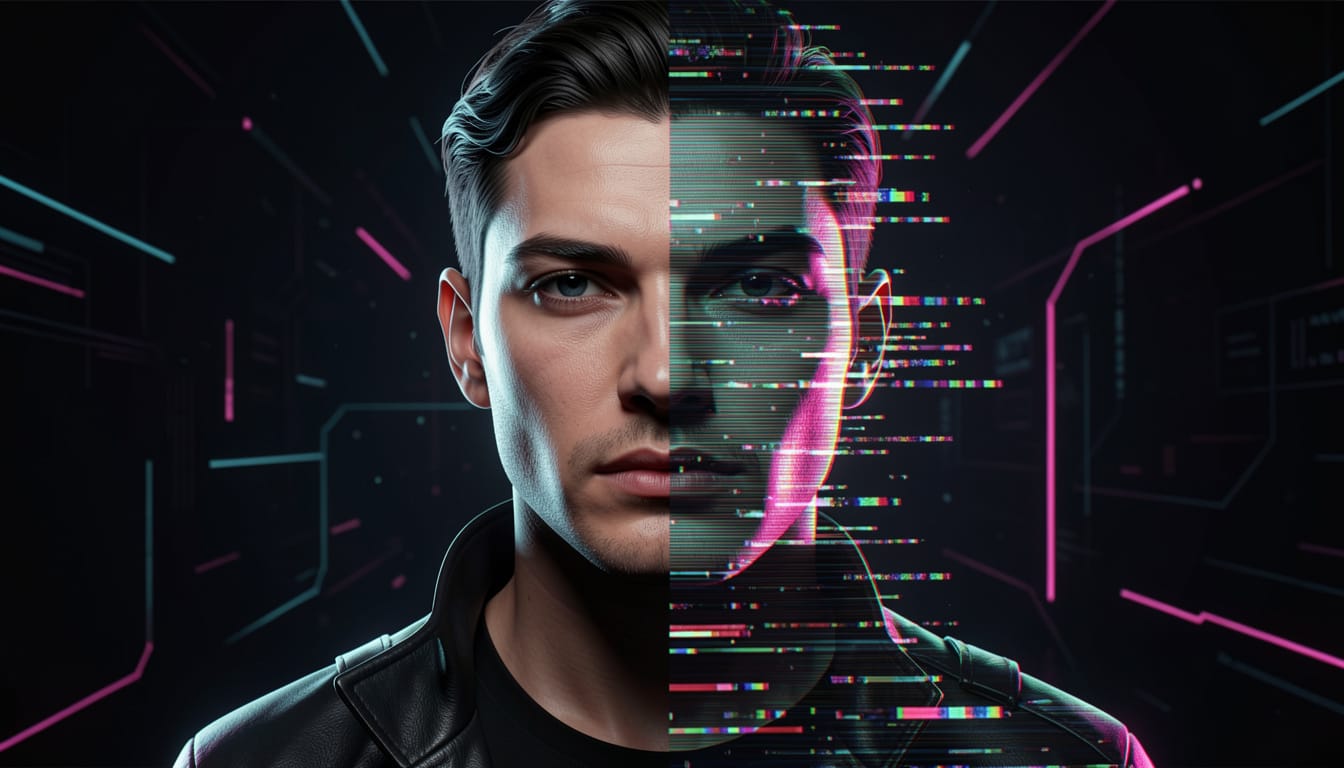
- The Technology: The family turned to an AI specialist named Zhang Zewei and his team. Using numerous old photographs, videos, and audio recordings (including samples of the local dialect), they created a “digital double” — a hyper-realistic video copy of the deceased that even replicates his habit of leaning forward when speaking.
- How It Works: The created avatar communicates daily with the mother via a video messaging app. During their conversations, the “son” explains that he is very busy with work in another city and cannot come home, but promises to earn money and return.
- The Reaction: The elderly woman still does not know the truth. She talks to the screen every day, giving her son advice and telling him how much she misses him. Zhang Zewei himself jokingly calls himself an “emotional con man,” but emphasizes that the meaning of their work is “to comfort the living.”
Similar Examples Around the World
These kinds of stories are not isolated. So-called “grief tech” — or the industry of digital immortality — is gaining popularity worldwide.
- The Service 2Wai: In November 2025, Canadian actor Calum Worthy launched the app 2Wai. It allows users to create AI avatars to communicate with after a person’s death. Users can record a deceased loved one’s video and voice, and the AI will respond on their behalf. A promotional video showing a pregnant woman communicating with an AI version of her deceased mother garnered millions of views.
- Startups HereAfter AI and Eternos: These American companies create “interactive portraits” or “digital twins.” You converse with a program about your life, and after your death, your loved ones can ask this avatar questions and receive answers based on your real stories and speech patterns. The Eternos service, for example, costs $25 per month.
- Voice Cloning: Many people (for example, Diego Santos, a resident of Edinburgh) use services like Eleven Labs to clone the voice of a deceased relative using a short audio recording. This allows them to hear familiar phrases (“Hello, son”), which helps them cope with the silence and the pain of loss.
- Commercial Services in China: As the example with Zhang Zewei shows, there are companies in China that offer to “resurrect” the deceased for a fee. The cost of such services ranges from 5,000 to 10,000 yuan.
The Downside: Risks and Ethics
This technology has not only supporters but also fierce opponents, as well as malicious actors.
- The Ethical Dilemma: Opinions are divided. Some see this as a touching display of love and humanity (“a gentle lie”), giving people a chance to gradually adjust to loss. Others call it a dangerous deception that interferes with the normal grieving process and could lead to even more severe trauma if the truth is revealed.
- Cybercrime: Security experts are sounding the alarm. Scammers have already learned how to hack the accounts of the deceased or create deepfakes of them to deceive relatives and friends. They might call, pretending to be the “deceased,” to ask for a money transfer or send a phishing link, exploiting the emotional state of a person who finds it hard to refuse.
This case from China is just one of many examples of how artificial intelligence is blurring the line between life and death in the digital space.
How do you personally feel about such technologies — are they an ethical way to cope with grief, or a dangerous path that prevents one from accepting reality?